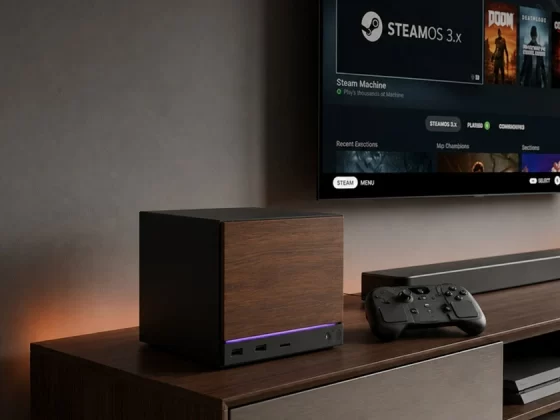
When Valve launched the Steam Deck in early 2022, many people saw it as an experiment rather than a long-term platform. A bulky handheld PC that ran Linux, played PC games on the go, and competed indirectly with consoles and gaming laptops sounded ambitious—but risky. Fast forward four years, and the conversation has shifted dramatically. Instead of asking whether the Steam Deck would survive, gamers are now asking why the Steam Deck still matters in an era filled with handheld gaming PCs, cloud gaming services, next-gen consoles, and the upcoming release of the Steam Machine.
The answer is more layered than simple nostalgia or brand loyalty. The Steam Deck has matured into something far bigger than its original promise. It reshaped how people think about portable PC gaming, influenced competitors, and carved out a unique space that still feels relevant today. Whether you are a long-time owner, a curious buyer in 2026, or someone evaluating the future of handheld gaming, understanding why the Steam Deck still matters offers valuable insight into where gaming hardware is heading—and why Valve’s approach continues to stand out.

The Steam Deck at a Glance: A Quick Refresher
Before diving deeper, let’s briefly revisit what the Steam Deck actually is and why it made waves at launch.
Core Specifications (Original Model)
-
Custom AMD APU (Zen 2 CPU + RDNA 2 GPU)
-
7-inch touchscreen display (1280×800)
-
SteamOS (Linux-based operating system)
-
Full PC functionality
-
Access to the Steam library
-
Competitive pricing compared to gaming laptops
Unlike traditional consoles, the Steam Deck was never a closed ecosystem. It was marketed as your PC games, anywhere, not a curated storefront or exclusive-driven device.
This design philosophy is central to why the Steam Deck still matters years later.
Why the Steam Deck Still Matters in 2026
1. It Redefined Portable PC Gaming
Before the Steam Deck, portable PC gaming existed—but it was niche, expensive, and complicated. Devices from boutique manufacturers often cost well over $1,000 and required deep technical knowledge.
The Steam Deck changed that by:
-
Lowering the entry price
-
Simplifying setup with SteamOS
-
Offering console-like ease with PC flexibility
This shift forced the industry to take handheld PCs seriously. Competitors emerged quickly, but the Steam Deck had already set the tone.
Key takeaway: The Steam Deck didn’t just join a market—it created momentum that still shapes the category.
SteamOS: One of the Biggest Reasons the Steam Deck Still Matters
A Living, Evolving Operating System
SteamOS has improved significantly since launch. Updates brought better performance, smoother UI navigation, improved compatibility, and faster suspend-and-resume behavior.
Why SteamOS still stands out:
-
Optimized for controllers, not keyboards
-
Lightweight compared to Windows
-
Continuous updates from Valve
-
Strong community and open-source roots
Valve’s long-term support is critical to why the Steam Deck still matters today. Many competing devices rely on Windows, which introduces overhead, battery drain, and awkward navigation on small screens.
Proton Compatibility Changed Everything
Proton, Valve’s Windows compatibility layer, deserves special mention. It quietly solved one of Linux gaming’s biggest problems.
Benefits of Proton:
-
Thousands of Windows games run seamlessly
-
No manual tweaking for most popular titles
-
Constant updates improve compatibility over time
According to ProtonDB, a large percentage of top Steam games are now playable or verified on the Steam Deck.
Verified Games Program: Trust Built Over Time
Valve’s “Deck Verified” system was initially criticized for being limited. Over time, it became a trusted reference point for buyers.
Why It Matters Today
-
Clear performance expectations
-
Reduced guesswork
-
Better onboarding for new users
Instead of browsing forums for compatibility hacks, players can rely on official verification. This long-term refinement is another reason why the Steam Deck still matters to casual and serious gamers alike.
Performance: Still Good Enough Where It Counts
Not the Most Powerful—but Well Balanced
In 2026, the Steam Deck will no longer be the most powerful handheld PC. That title belongs to newer devices with updated silicon. Yet performance alone doesn’t tell the whole story.
Why performance still holds up:
-
Smart power management
-
Resolution scaling
-
FSR support
-
Developer optimization for the platform
Many modern and older PC games still run well at 30–60 FPS with tuned settings.
Real-life example:
Games like Hades, Stardew Valley, Elden Ring, Cyberpunk 2077, and Baldur’s Gate 3 remain popular Steam Deck experiences thanks to adjustable settings and community presets.
The Steam Deck OLED Refresh Extended Its Lifespan
Valve’s OLED revision addressed several early criticisms without fragmenting the ecosystem.
Improvements That Mattered
-
Better screen contrast and color accuracy
-
Improved battery efficiency
-
Reduced weight
-
Quieter fans
Importantly, Valve avoided a generational reset. All Steam Deck owners remained on the same platform, reinforcing why the Steam Deck still matters as a unified ecosystem rather than a fragmented hardware lineup.
Price-to-Value Ratio: Still One of Its Strongest Advantages
Even years later, the Steam Deck remains competitively priced.
Why Value Matters More Than Raw Specs
-
Entry-level models are affordable
-
Access to frequent Steam sales
-
No mandatory subscription fees
-
Games are often cheaper than console versions
Steam sales alone significantly reduce total ownership cost:
https://store.steampowered.com/sale
For budget-conscious gamers, this affordability reinforces why the Steam Deck still matters compared to premium handheld PCs.
A Device That Grows With You
Beginner-Friendly, Power-User Capable
One of the Steam Deck’s most underrated strengths is how it scales with user knowledge.
You can:
-
Use it like a console out of the box
-
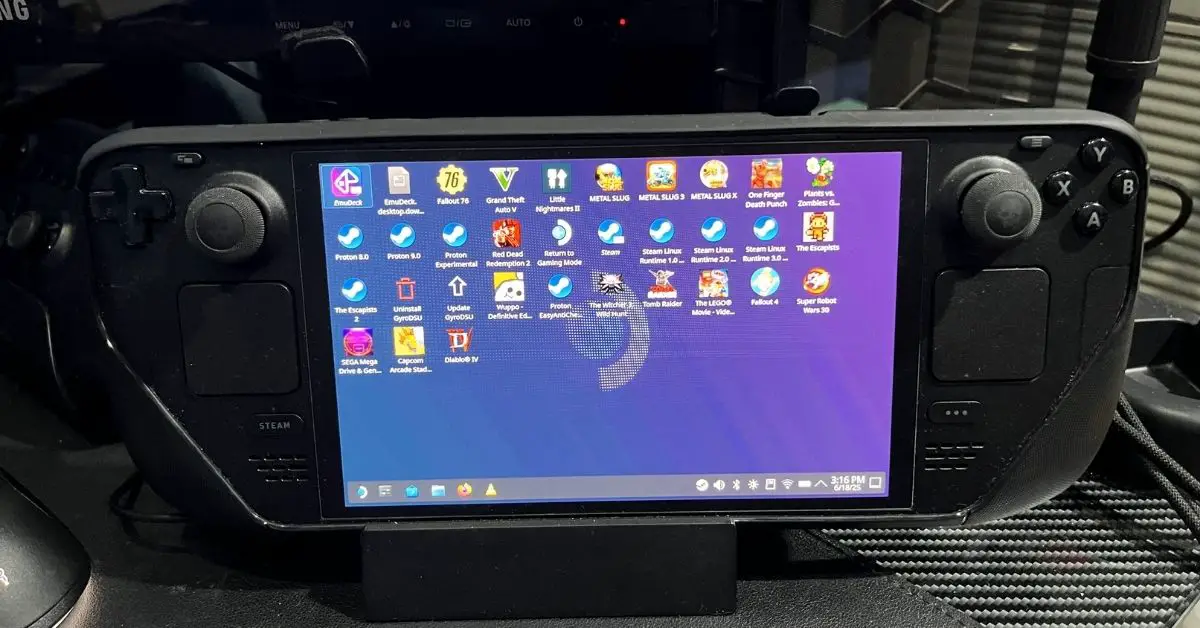
Install mods and emulators
-
Dual-boot Windows if needed
-
Customize performance profiles
-
Dock it like a desktop PC
This flexibility ensures long-term relevance. Few gaming devices remain useful across skill levels, which explains why the Steam Deck still matters for years instead of months.

Emulation and Retro Gaming: A Quiet Powerhouse
The Steam Deck became one of the most popular emulation devices ever made.
What It Handles Well
-
NES, SNES, Game Boy, GBA
-
PlayStation 1 & 2
-
Nintendo GameCube
-
Wii
-
Many Nintendo Switch titles (legally dumped)
Tools like EmuDeck simplified the setup dramatically.
For retro enthusiasts, why the Steam Deck still matters is simple: it replaces multiple devices with one powerful, portable solution.
Community Support: Valve Didn’t Build This Alone
Modding, Tutorials, and Shared Knowledge
The Steam Deck community continues to thrive across:
-
Reddit
-
GitHub
-
YouTube
-
Discord
Users share:
-
Performance presets
-
UI tweaks
-
Accessories recommendations
-
Repair guides
Valve’s decision to make the device repairable and mod-friendly, iFixit helped sustain interest long after launch:
This grassroots support is a major reason why the Steam Deck still matters despite newer competitors.
Common Mistakes New Owners Still Make
Even in 2026, some pitfalls remain common.
Mistake 1: Ignoring Performance Profiles
Adjusting TDP, frame limits, and resolution dramatically improves battery life.
Mistake 2: Expecting Console-Level Simplicity
The Steam Deck is user-friendly, but still a PC.
Mistake 3: Overlooking Proton Updates
Some games improve compatibility automatically after updates.
Avoiding these mistakes ensures a better experience and reinforces why the Steam Deck still matters when used correctly.
Steam Deck vs Modern Handheld PCs
| Feature | Steam Deck | Other Handheld PCs |
|---|---|---|
| OS Optimization | Excellent | Often Windows-based |
| Price | Lower | Higher |
| Battery Efficiency | Strong | Variable |
| Ease of Use | Console-like | PC-centric |
| Community Support | Massive | Growing |
While alternatives exist, the Steam Deck’s balance keeps it relevant.
Lifestyle and Use-Case Flexibility
Where the Steam Deck Fits Best
-
Commuting
-
Couch gaming
-
Travel
-
Parents with limited time
-
Students and budget gamers
Its ability to fit into real-life routines is another overlooked reason why the Steam Deck still matters beyond raw specs.
Looking Ahead: An Informed Assumption
Valve has not officially confirmed a Steam Deck 2 as of early 2026. However, Valve has publicly stated that long-term support matters more than yearly hardware refreshes.
This suggests:
-
Continued SteamOS updates
-
Ongoing Proton improvements
-
Backward compatibility focus
This is an informed assumption based on Valve’s historical behavior, not a confirmed roadmap.
Frequently Asked Questions
Is the Steam Deck still worth buying in 2026?
Yes, especially for budget-conscious gamers or those new to PC gaming.
Does it still get updates?
Yes. SteamOS and Proton updates remain frequent.
Is it future-proof?
No device is fully future-proof, but the Steam Deck’s software-first approach extends its lifespan.
Conclusion: Why the Steam Deck Still Matters More Than Ever
Four years after launch, why the Steam Deck still matters is no longer a theoretical question—it is a proven reality. The device succeeded not by chasing raw power, but by delivering balance: performance, price, flexibility, and long-term support. Valve’s commitment to software updates, open design, and community engagement transformed the Steam Deck from an experimental handheld into a lasting platform.
For gamers who value freedom, affordability, and adaptability, the Steam Deck remains one of the most compelling pieces of gaming hardware available. It is not just a product frozen in time—it is a living system that continues to evolve. That evolution, more than anything else, explains why the Steam Deck still matters today and why it will continue to matter in the years ahead.