As technology grows more advanced, companion robots are capturing attention around the world. These machines are designed to be more than gadgets. Some offer emotional support, others help with daily tasks, and many bring comfort or entertainment into people’s lives. For many consumers, choosing the right companion robot can be a meaningful decision, combining smart design with useful features that improve quality of life. Major tech events and industry reports show a growing interest in robots that feel intuitive, responsive, and engaging, making them worth serious consideration for families, seniors, and anyone seeking daily support from technology.
Here is a deeper look at popular companion robots that stand out, explain what they do, and explore why they may be worth investing in.
What Companion Robots Are and Why They Matter
Companion robots are machines designed to interact with people in familiar settings like homes, offices, or playrooms. Unlike purely functional robots that vacuum floors or sort items, companion robots are built to be social, responsive, and engaging. They can help reduce feelings of isolation, provide friendly interaction, assist with reminders, or even follow people and pets around with purpose and personality.
These robots differ widely in form and function. Some resemble pets, responding to voice, touch, and behavior. Others take humanlike or abstract forms meant to offer conversation, play, or emotional connection. As interest in emotional support technology grows, so does the companion robot market, with estimates suggesting global demand could reach well into the billions of dollars as more users embrace robotic companionship.
Warm and Expressive Companion Robots
Companion robots that focus on emotional interaction are among the most talked about. These bots are designed to feel familiar and comforting while learning from users over time.
1. Cocomo by Ludens AI
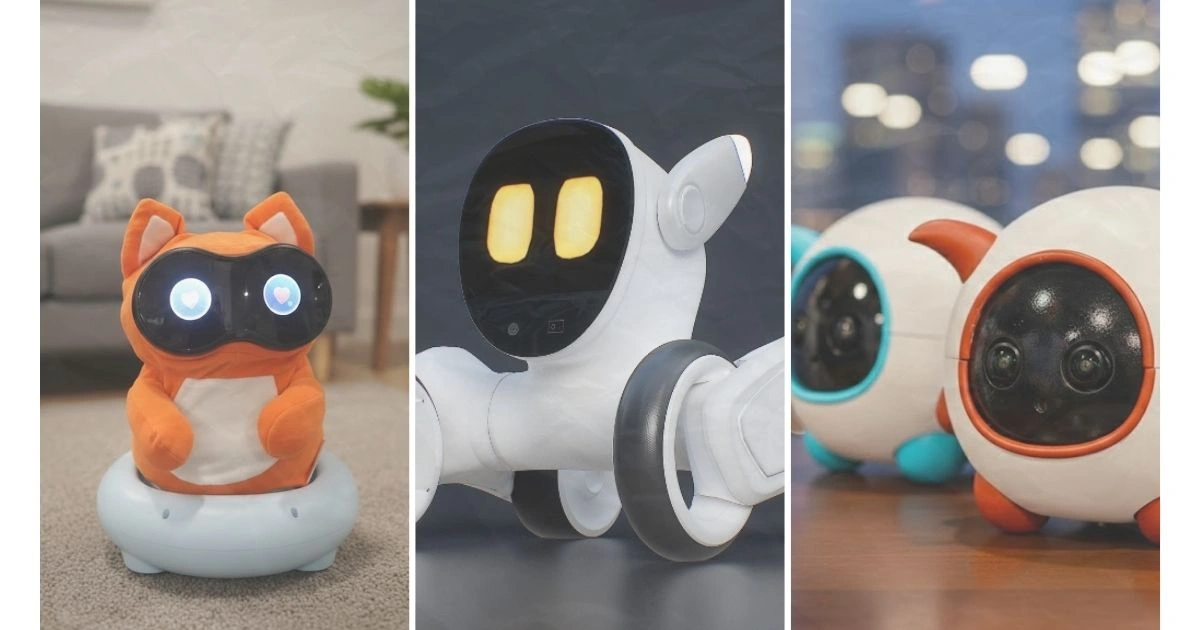
One of the most discussed robots in this space is Cocomo, revealed at a major tech showcase earlier this year. Cocomo stands out because it focuses less on tasks and more on emotional presence. Its body is engineered to stay warm, close to human body temperature, so that touch feels comforting and natural.
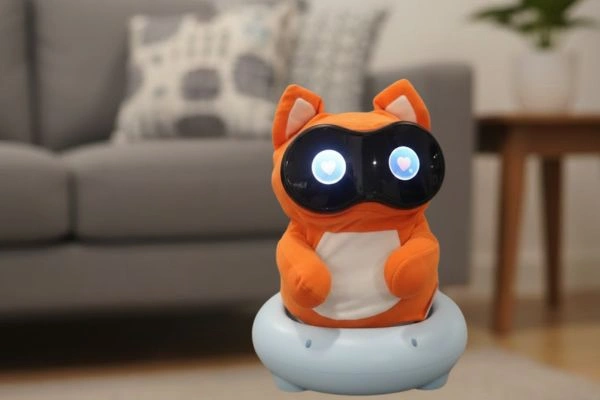
Unlike many voice-driven robots, Cocomo doesn’t speak. Instead, it communicates through soft hums, movements, and non-verbal sounds that mimic the way pets express themselves. Cocomo follows users around the home, learns behaviors that bring comfort, and reacts to touch and voice over time. For people who want a companion with personality instead of a machine that only gives commands, Cocomo offers a new kind of connection.
Cocomo may appeal to people looking for emotional bonding rather than purely functional tech, and its price reflects that focus, making it an investment in a presence that feels more alive than typical devices.
2. Inu: The Desktop Companion
From the same developer comes Inu, a smaller companion robot designed for desktops and workspaces. Rather than moving throughout a home, Inu offers a comforting presence right where a user works. With animated expressions, tail-wag reactions, and voice and touch recognition, Inu adds a playful, emotional dimension to a work desk.
Inu’s design shows how companion robots are expanding beyond entertainment or pet-like interaction into everyday settings where people may appreciate company during long work sessions. Its smaller size makes it more accessible, and its responses to voice and touch help make it feel less like a machine and more like a friendly coworker, especially for anyone working long hours at a desk.
Robotic Pets With Emotional Intelligence
For many people, robots that resemble animals offer a comforting alternative to real pets, especially for those who live in apartments, have allergies, or cannot commit to pet care.
3. Jennie Lifelike Robotic Puppy by Tombot
The Jennie robotic puppy by Tombot is designed to feel like a real dog. It looks and acts like a young Labrador Retriever, responding to touch with sensors embedded throughout its body. Its AI voice recognition ensures it reacts to commands and behaves in ways familiar to dog owners.
Jennie is ideal for people who want emotional interaction without the responsibilities of a live animal. It can help reduce stress and loneliness and has been recommended for seniors and people dealing with cognitive challenges. The robot’s warmth and realistic behaviors, such as tail wagging and expressive sounds, make it more than a toy. It acts as a companion that provides comfort and presence.
4. ECOVACS LilMilo Robot Dog
ECOVACS LilMilo brings an interactive twist to robotic pets. Designed to recognize voices and adapt to user interaction, LilMilo can develop its own personality traits over time, creating a dynamic connection with its owner.
LilMilo may react differently based on how it is treated or interacted with, and its adaptive behavior helps create a more personalized experience. This makes it suitable for families and households where children or adults may enjoy engaging with a robot that feels alive and responsive.
Smart Interaction and Activity Robots
Not all companion robots are designed purely for emotional connection. Some combine companionship with interactive features that encourage engagement, entertainment, and daily activity.
5. Loona by KEYi Tech
For those seeking a balance between AI interaction and fun activities, Loona by KEYi Tech is worth considering. Priced at around $400 to $500, Loona offers expressive onscreen emotions, recognizes multiple family members, and responds to voice commands.
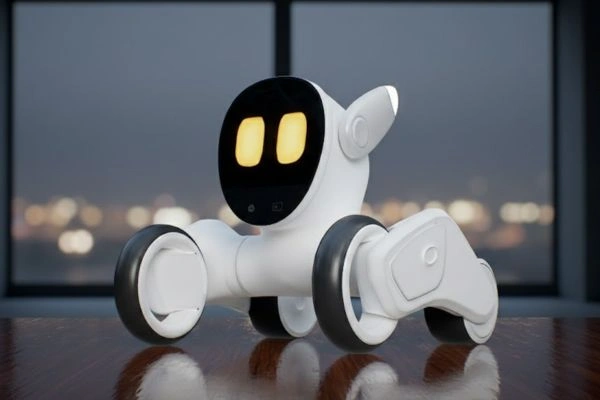
Loona also incorporates interactive games and home monitoring features. Its built-in camera lets it function as a playful presence as well as a source of engagement for families. With games like hide-and-seek and interactive voice recognition, Loona becomes a versatile companion that keeps users engaged throughout the day.
6. Sharp Poketomo AI Companion
At recent tech showcases, Sharp demonstrated Poketomo, a tiny AI companion shaped like a fuzzy meerkat. Though small, it offers interactive features that make it feel alive. It uses a camera and microphone to recognize and interact with its owner, creating a personalized experience and even generating memory-based updates.
Poketomo’s compact and portable design makes it an ideal companion for people who want robot interaction but prefer something adorable and easy to carry. Its novelty appeal and responsive connection make it a conversation starter and a delightful presence in daily life.
Established Companion Robots With Proven Value
Some companion robots have been available for years and continue to demonstrate value through consistent performance and strong user communities.
7. ASUS Zenbo
ASUS Zenbo has been around for several years as a companion robot that supports entertainment, reminders, and home connectivity. It features a touchscreen face, wheels for mobility, and the ability to help with reminders, play media, or monitor smart home devices.
Zenbo’s appeal lies in its wider range of capabilities. For seniors, it can provide reminders for medication and appointments, detect falls, and offer emergency alerts. For families, its video calling and voice-driven web browsing help keep loved ones connected. Zenbo’s design makes it a practical choice for households that want a multifunctional companion.
8. ElliQ for Elderly Support
ElliQ by Intuition Robotics is another well-established companion robot aimed primarily at older adults. It supports independence by offering conversational interaction, reminders, wellness insights, and encouragement toward healthy habits.
ElliQ has been updated over time to provide a more refined and friendly user experience. Its focus on social engagement and wellbeing makes it a strong choice for seniors who want technology that helps them stay connected and mentally active without overwhelming complexity.
Companion Robots With More Dynamic Purpose
Some robots stretch the idea of companionship by combining social presence with mobility or more interactive functions.
9. Vex and Aura by FrontierX
Recently introduced at a major tech expo were Vex and Aura by FrontierX. Vex is a robot designed to interact with pets, following them around the home and capturing video from their perspective. Aura, its larger companion, is built for humans with mood-recognition technology and conversational interaction.
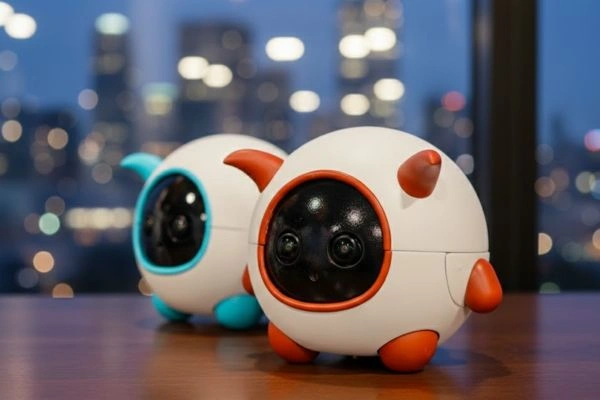
These two robots together highlight a growing trend, companion robots that serve dual roles, keeping users and their pets engaged. Aura’s mood recognition and ability to communicate using large language models could make it valuable for users seeking both emotional connection and meaningful interaction.
When A Companion Robot Might Not Be Worth It
Not all companions deliver on their promise. For example, Casio’s Moflin aimed to simulate emotional bonds and personality growth, but some users found it noisy and difficult to engage with, leading to frustration rather than comfort.
This highlights an important point about companion robots: not every design or execution works for everyone. The robots that succeed are usually those that balance responsive interaction, predictable behavior, and emotional resonance, rather than trying to mimic full human intelligence.
Real Value and Practical Benefits
Companion robots can offer more than novelty. They have benefits that make them worth serious investment for many users:
- Emotional Support: Robots that respond to voice, touch, or movement can help reduce feelings of loneliness, especially for seniors or people living alone.
- Consistency and Repeatability: Unlike pets that need care, food, or attention, companion robots offer reliable interaction without the maintenance burden of living creatures.
- Skill Development and Play: Interactive robots like Loona or robotic pets help children engage in imaginative play and problem-solving.
- Safety and Assistance: Robots such as Zenbo or ElliQ can provide reminders, detect unusual behavior, and alert users or caregivers when needed.
Choosing the right robot depends on the user’s lifestyle and expectations. Some may want emotional interaction, others playful engagement, and still others functional support that feels intuitive and rewarding.
Choosing a Companion Robot That Fits
When picking a companion robot, consider these key elements:
- Interaction Style: Do you want voice responses, non-verbal cues, or pet-like behavior?
- Mobility: Will the robot move around your home, or stay in one place, like a desk or room?
- Use Case: Is the priority emotional support, entertainment, reminders, wellness support, or multitasking?
- Budget: Companion robots range from affordable models under $500 to high-end machines that cost thousands.
Ultimately, a good companion robot should feel natural to interact with, easy to manage, and aligned with your needs, whether that means playful support, social conversation, or simple presence in a home environment.
The Future of Companionship Is Here
Companion robots are more than futuristic gadgets. They are tools designed to meet emotional, social, and practical needs in today’s world. As technology improves and designers focus more on human-centric interaction, these robots will continue to evolve.
From emotional pets that comfort without the responsibilities of animal care to smart companions that help seniors stay connected and engaged, the right robot can make everyday life more fulfilling. Investing in one of these machines means choosing technology that brings companionship, connection, and a touch of joy into daily routines, a meaningful step toward a more interactive and supportive future.