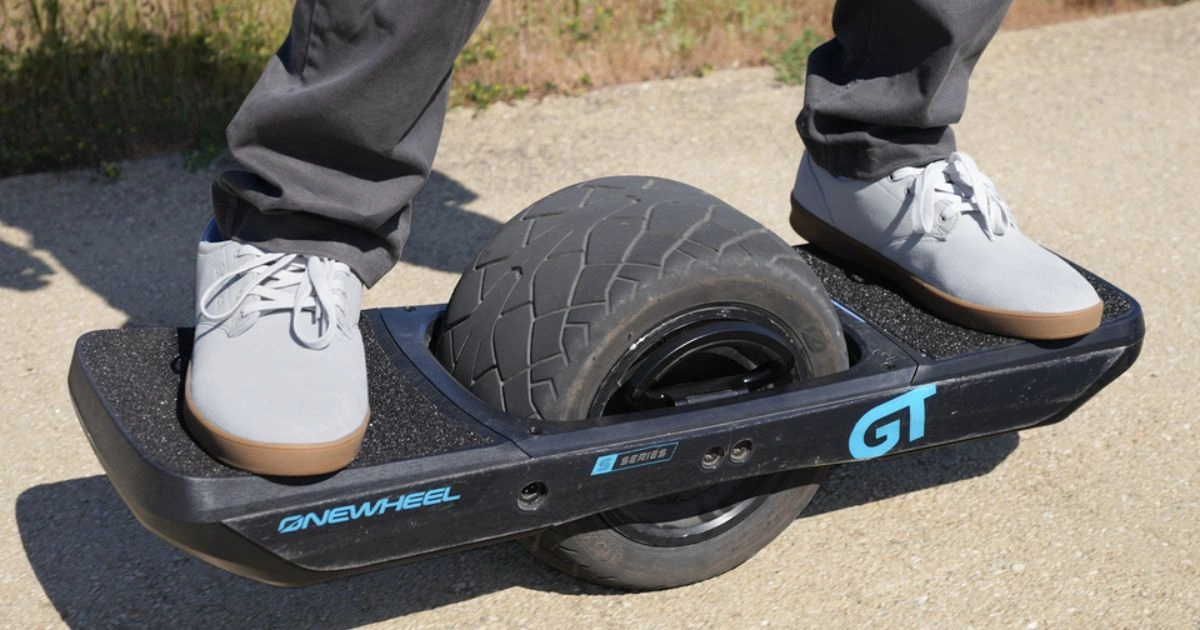
Learning to ride a Onewheel for beginners can open up a new way to move around town, enjoy the outdoors, or explore paths that electric scooters and bicycles cannot easily handle. Unlike traditional boards or scooters, a Onewheel uses a single wheel mounted at the center of the deck along with advanced sensors that constantly adjust balance and speed. This creates a smooth, floating feeling that blends the freedom of board sports with the convenience of electric travel. As interest in personal electric mobility continues to grow worldwide, more riders are choosing Onewheels for daily commuting, trail exploration, and relaxed weekend rides.
For beginners, the experience can feel exciting but also intimidating. The board responds directly to body movement, which means early rides involve learning trust and control rather than pressing buttons or twisting throttles. Balance, posture, and awareness matter more than raw speed. With the right preparation, proper safety gear, and a steady mindset, learning becomes safer and far more enjoyable. This guide explains what an Onewheel is, how it works, how to choose the right model, essential safety gear, beginner riding techniques, common mistakes, basic maintenance, and practical rules to follow on public paths. The goal is to help new riders build confidence, good habits, and realistic expectations from the very first ride.
What is an Onewheel and How It Works
A Onewheel resembles a skateboard but replaces four small wheels with one wide, air-filled tire placed at the center of the board. Under the deck are sensors that track balance, speed, and direction in real time. When a rider steps onto the footpads, the system activates and begins stabilizing the board. Leaning forward signals the motor to move ahead, while leaning back tells it to slow down or stop. Turning happens by shifting pressure between the toes and heels, allowing smooth carving motions similar to snowboarding or surfing.

Inside the board, gyroscopes and accelerometers constantly read changes in weight and movement. These components work together to keep the deck level while adjusting power to the wheel. This rapid feedback loop is what makes the ride feel responsive and fluid rather than mechanical. Small adjustments happen many times per second, allowing the board to correct balance before a rider even notices. This technology is what gives riders the sensation of gliding rather than rolling.
Onewheels differ from electric scooters and e-bikes because there is no handlebar, brake lever, or throttle. Control comes entirely from posture and body position. This design creates a strong connection between rider and board and encourages relaxed, natural movement. For beginners, the first few rides are less about speed and more about understanding how subtle shifts affect motion. Once this connection clicks, the ride often feels intuitive and surprisingly smooth, even for those without board sport experience.
Choosing the Onewheel for Beginners
Future Motion produces onewheels and comes in several models designed for different riding styles. Choosing the right board can make learning faster and reduce early frustration.
Entry Level Friendly Options
Smaller boards with moderate speed and range are often ideal for beginners. They are lighter, easier to carry, and more forgiving during low-speed practice. These models are well-suited for short commutes, neighborhood cruising, and learning basic balance and turning. Their compact size also makes them easier to transport in cars or store indoors.
Extended Range and Power
Boards with larger batteries and stronger motors offer longer ride times and better hill-climbing ability. While they are heavier, they appeal to riders who plan to commute longer distances or ride mixed terrain. For beginners, these boards work best when ridden conservatively at first, allowing skills to catch up with performance.
Performance Focused Models
High-power models provide strong acceleration, long range, and improved stability at higher speeds. They are often chosen by riders who plan to ride trails, steep hills, or uneven surfaces. Beginners can start on these boards, but they require patience and respect due to their added weight and power.
When choosing a board, consider total weight, riding range, typical terrain, and how often the board needs to be carried. A board that feels manageable off the ground usually feels more comfortable and less intimidating on it.
Essential Safety Gear Every Beginner Needs
Protective gear plays a major role in preventing injuries, especially during the learning phase. Even experienced riders fall from time to time, and proper equipment greatly reduces the chance of serious harm.
Helmet
A certified helmet is the most important piece of safety gear. Look for helmets approved by standards such as ASTM, CPSC, or CE. The helmet should fit snugly without pressure points and remain secure when the head moves. A properly fitted helmet protects against head injuries during unexpected falls or sudden stops.
.jpg)
Wrist Guards
Wrist injuries are common because riders naturally put their hands out when falling. Wrist guards absorb impact and limit extreme bending. They are lightweight, affordable, and highly recommended for beginners and experienced riders alike.
Knee and Elbow Pads
Pads help protect joints from scrapes, bruises, and direct impacts. They are especially useful when learning turns, carving, and emergency dismounts, when balance mistakes are more likely.
Gloves and Proper Footwear
Impact-resistant gloves protect hands from cuts and road rash while also improving grip. Shoes with flat soles and good traction provide stable contact with the footpads. Avoid sandals, loose footwear, or soft running shoes that reduce control and feedback.
Visibility and Lighting
Bright clothing, reflective gear, and onboard or wearable lights improve visibility during low-light conditions. This is especially important when riding near traffic, intersections, or shared paths.
Learning to Ride a Onewheel with Confidence
Learning to ride is best approached step by step. Rushing the process often leads to unnecessary falls, while steady practice builds muscle memory and confidence.
Practice Mounting and Balance
Begin in an open, flat area such as an empty parking lot or quiet street. Practice stepping onto the board and standing still with both feet placed securely. Keep knees slightly bent and shoulders relaxed. This helps the body adjust to the board’s sensitivity and reduces stiffness.
Gentle Movement and Speed Control
Once balanced, lean forward slightly to move. Keep movements small and controlled. Leaning back gradually slows the board. Sudden or exaggerated shifts can cause wobbling, so smooth motion is key. Looking ahead rather than down at the board helps maintain stability.
Turning and Carving Basics
Turning is achieved by shifting pressure toward the toes or heels. Start with wide, gentle turns and let the board carve naturally. Over time, tighter turns become easier as balance improves and confidence grows.
Understanding Pushback
Pushback is a built-in safety feature where the nose of the board lifts slightly to warn that speed or power limits are approaching. When pushback is felt, easing off forward pressure helps maintain control. Learning to recognize pushback early is essential for safe riding.
Stopping and Dismounting Safely
To stop, lean back slowly until the speed drops enough to step off with both feet. Avoid stepping off with one foot while moving, as this often leads to loss of balance. Practicing controlled stops and dismounts reduces panic in unexpected situations.
.jpg)
Common Beginner Mistakes to Avoid
Most early falls come from predictable mistakes. Being aware of them makes it easier to avoid trouble.
- Rushing to high speeds before mastering balance
- Riding without proper safety gear
- Placing feet too far forward or backward on the pads
- Practicing first rides on uneven, wet, or slippery surfaces
- Ignoring pushback warnings
- Over-adjusting posture instead of staying relaxed
Patience, repetition, and gradual progression lead to smoother improvement and fewer injuries.
Riding Etiquette and Local Laws
Rules for electric boards vary by location. Some areas treat them like bicycles, while others group them with scooters. Always check local regulations regarding sidewalks, bike lanes, and public trails.
Ride predictably, yield to pedestrians, and avoid weaving through traffic. Use bike lanes or designated paths when available. Signal turns when possible and slows down in crowded areas. Respecting shared spaces improves safety and helps maintain a positive reputation for Onewheel riders.
Basic Maintenance Tips for Long-Term Performance
Regular maintenance keeps a board running smoothly and safely. Check tire pressure often, as proper inflation improves balance, range, and ride comfort. Clean dirt and debris from the tire, footpads, and deck after rides, especially when riding off-road.
Inspect bolts and screws occasionally to ensure they are secure but not overtightened. If the board gets wet, dry it fully before charging to protect the battery and electronics. Replace worn footpads when grip starts to fade, as reduced traction affects control.
Simple upkeep extends board life and reduces the chance of unexpected issues during rides.
The Right Start for a Better Ride
Starting on an Onewheel introduces riders to a unique form of electric movement that feels both playful and practical. With the right board, proper safety gear, and a calm learning approach, beginners can quickly develop balance and control. Understanding how the board works, respecting built-in safety features, and practicing in suitable environments builds confidence over time.
By focusing on steady progress rather than speed, new riders create a safer and more enjoyable experience. With preparation, awareness, and regular maintenance, an Onewheel becomes a reliable way to explore surroundings, commute short distances, or simply enjoy the feeling of gliding smoothly on one wheel.