Technology is evolving faster than ever, and every year brings products that once seemed like science fiction into daily life. This year, people are particularly excited about devices that use artificial intelligence, immersive displays, and interactive design to reshape how life feels at home, at work, and on the go. From intelligent robots that assist with household tasks to gadgets that turn imagination into interactive experiences, these innovations are making technology feel natural, practical, and even playful.
Major tech shows such as CES and industry reports indicate that these gadgets will set new standards for consumer technology, combining creativity with real-world function. They are designed not just to impress but to integrate seamlessly into everyday routines, improving productivity, entertainment, and wellness. Here is a closer look at 10 futuristic gadgets that are capturing attention, setting trends, and shaping the conversation around modern tech.
AI‑Driven Wearable Technology
Wearables are moving far beyond fitness trackers and simple notifications. The newest models combine smart interaction, health monitoring, and real-world guidance, making them tools for everyday life rather than just tech accessories.
1. Smart Glasses With Visual and AI Integration
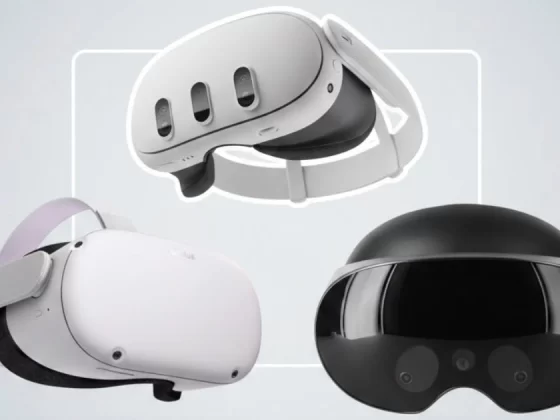
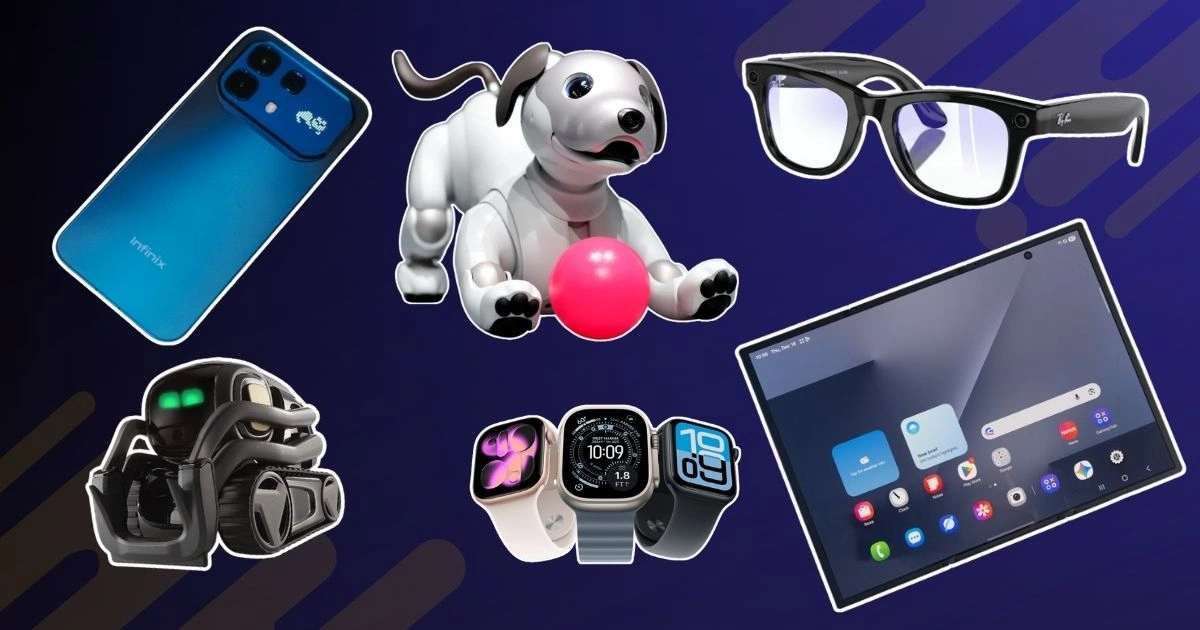
Smart glasses are gaining traction as a next-generation wearable that merges digital features with natural vision. Models like the Ray-Ban Meta line are leading this wave, offering built-in cameras, microphones, and AI-powered visual tools. These glasses can provide navigation, translate languages in real time, display contextual information about surroundings, and even assist with task reminders without requiring a phone.
The push for smart glasses reflects a larger industry trend toward augmented reality and wearable displays. Companies like Nreal and Vuzix are also developing AR glasses that integrate with smartphones, providing hands-free access to digital tools, virtual meetings, and immersive media experiences. These devices are expected to appeal to commuters, travelers, and professionals seeking a new way to manage daily information.
View this post on Instagram
2. AI‑Powered Smartwatches
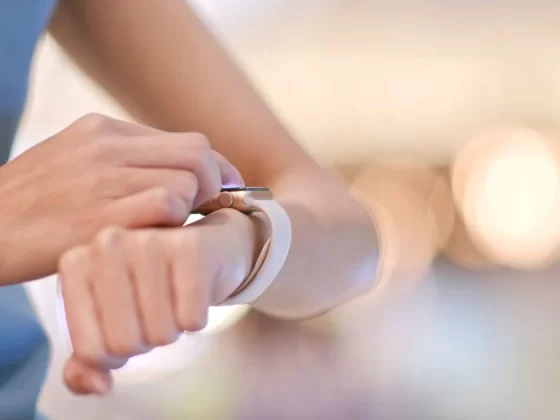
Smartwatches are evolving beyond step counters and message alerts. Companies such as Meta Platforms and Apple are working on watches that integrate AI to provide health insights, predictive notifications, and personalized guidance. For instance, the upcoming Meta smartwatch is reported to combine traditional fitness tracking with real-time AI assistance that interprets heart rate, sleep patterns, and activity levels.
By combining AI with wearable hardware, these watches are becoming central hubs for wellness and productivity. Linked to smart glasses, earbuds, and other wearables, they offer a fully connected ecosystem that helps users interact with digital assistants intuitively throughout the day.
Cutting-Edge Smartphones and Personal Devices
Smartphones continue to be central to modern tech, but the latest models are pushing boundaries in connectivity, display technology, and versatility.
3. Smartphones With Satellite Connectivity
Satellite-connected phones are redefining global communication. Devices like the Infinix Note 60 Pro now offer satellite calling for voice and text messaging, enabling users to stay connected even where traditional cellular networks are unavailable. This feature is particularly valuable for travelers, outdoor adventurers, and emergency scenarios where reliable communication is essential.
Integrating satellite connectivity into mainstream smartphones represents a major step forward in accessibility. By combining these capabilities with high-refresh displays, powerful processors, and advanced camera systems, these phones deliver a full smartphone experience without the limitations of network coverage.
4. Foldable and Flexible Display Phones
Foldable phones are becoming more practical, moving past experimental designs into consumer-ready products. Samsung’s Galaxy Z TriFold is a standout example, offering a screen that unfolds into a larger tablet-like display but folds compactly for portability.
This design appeals to multitaskers and creative users who want one device for gaming, video editing, reading, and productivity. Brands like Huawei and OPPO are also releasing foldable devices with durable hinges, high-resolution OLED panels, and multitouch capabilities that make switching between work and entertainment seamless.
Interactive Robots for Home and Work
Robotics is entering everyday spaces, from smart home assistance to interactive companions. Recent advances show robots performing chores, monitoring environments, and engaging socially with users.
5. AI Home Robots With Personal Assistance
Home robots are evolving into intelligent, multi-tasking companions. Samsung’s Ballie is a prime example: a small, rolling robot capable of controlling smart devices, sending messages, monitoring rooms, and responding to voice commands. It acts as a personal assistant while blending seamlessly into home environments.
Other brands, including Temi and Anki Vector, are developing robots with similar functionality, highlighting the trend of machines that support daily life, not just entertain. These robots can help with reminders, carry items, or even act as interactive cameras for remote family communication.
View this post on Instagram
6. Companion Robots With Interactive Personalities
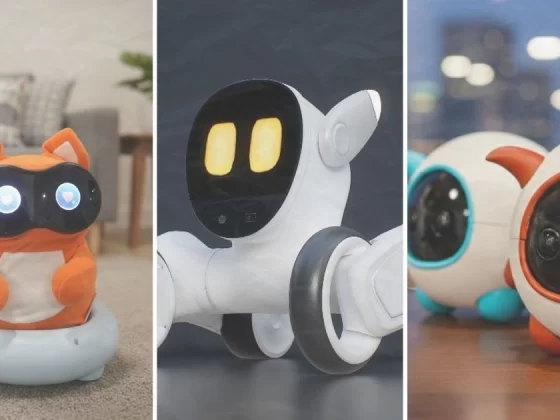
Beyond household chores, robots are also becoming social companions. Devices that recognize faces, respond to emotions, and offer interactive conversation are gaining popularity. Brands like Lovot and Sony’s Aibo demonstrate this trend by providing affectionate interactions, playful engagement, and responsive behaviors that feel intuitive and friendly.
Such robots appeal not only to tech enthusiasts but also to elderly individuals or families seeking companionship for children. They offer a human-like presence that integrates both emotional and functional support into daily routines.
Next-Level Entertainment and Gaming Tech
Entertainment and gaming gadgets are breaking traditional boundaries, blending digital interaction with immersive physical experiences.
7. Holographic Gaming Systems
Gaming is becoming increasingly immersive, with devices like ASUS ROG gaming glasses projecting holographic displays that simulate massive screens directly in front of the user. This allows players to enjoy a theater-like gaming experience without needing a traditional monitor or room setup.
These systems combine high-resolution graphics, motion tracking, and spatial audio, making gameplay feel dynamic and responsive. They are expected to appeal to both casual gamers and professionals seeking portable, high-performance setups.
8. Smart Home Gaming Robots
Some companies are merging gaming with robotics. Interactive gaming robots can move, respond, and interact with players in real time, offering feedback and immersive challenges. Examples include Anki Cozmo and upcoming CES 2026 prototypes that demonstrate AI-driven play.
These devices blur the line between passive gaming and active engagement, creating environments where gaming becomes a physical, social, and cognitive experience all at once.
Smart Home Gadgets and Everyday Tech
Practical gadgets are also seeing a surge in sophistication, bringing automation, convenience, and insights into the home environment.
9. Intelligent Home Controllers
Smart home devices are moving beyond voice commands. Advanced controllers with millimeter-wave sensors can detect sleep patterns, breathing, and movement without wearable devices. These systems provide data to improve wellness routines, track home activity, and optimize energy usage.
Brands like Nest, Samsung SmartThings, and emerging startups are integrating AI into home hubs, enabling predictive behaviors such as adjusting lighting or climate based on learned habits. This trend highlights how technology can anticipate needs and improve everyday comfort.
10. Connected Play and Learning Gadgets
Even toys are being reinvented with technology. The Lego Smart Brick combines classic building blocks with sensors, lights, and sound to create interactive, adaptive play experiences.
These gadgets teach STEM principles, encourage creative problem-solving, and bridge physical and digital interaction. Companies such as Sphero and Fisher-Price are also releasing smart toys that respond to movement, code input, or connected devices, showing that learning and entertainment can be seamlessly combined.
View this post on Instagram
Why These Gadgets Matter
These ten futuristic gadgets do more than showcase impressive features. They highlight how quickly innovation is entering everyday life and how technology can enhance productivity, wellness, and entertainment. Devices that once belonged in science fiction are now practical tools for staying connected, managing tasks, and exploring creativity.
Major technology events like CES emphasize trends in artificial intelligence, connectivity, and intuitive design. Analysts note that products focusing on integration, user experience, and predictive assistance are increasingly favored over single-function devices. The rise of AI-enabled wearables, robots, and immersive tech indicates a shift toward gadgets that anticipate and respond to human needs.
How These Gadgets Fit Into Everyday Life
Wearables like smart glasses and AI watches keep users connected and informed without constant phone use. Robotics can manage chores, provide companionship, or enhance learning. Smart home controllers optimize routines and the environment, while immersive gaming and play systems offer engagement for leisure and education.
Even toys now encourage interaction, combining physical play with AI-driven responses. Across age groups, these gadgets enhance daily life by saving time, boosting engagement, and encouraging healthier routines.
Looking Ahead
The gadgets gaining attention suggest a future where technology becomes more intuitive, human, and accessible. Devices will anticipate needs, adapt to environments, and integrate into daily routines without adding complexity.
Affordability and accessibility are also emerging as central priorities. Brands are designing products that are simple to set up, easy to use, and compatible across multiple devices, ensuring that futuristic technology does not remain niche but becomes a part of everyday life.
Everyday Tech That Enhances Life
As these futuristic gadgets move closer to mainstream release, they reveal a world where technology is more connected, interactive, and helpful than ever before. Wearables act as personal assistants, robots provide both work and companionship, and immersive entertainment devices redefine engagement.
These innovations are tools that improve comfort, strengthen connections, boost productivity, and make everyday experiences smoother and more enjoyable. Staying informed about these trends helps consumers understand not just what’s new, but why it matters.
From AI-powered wearables to interactive play systems, the future of gadgets promises to be more engaging, practical, and human-centered, shaping a connected, intelligent, and more enjoyable world for everyone.