The tech world moves fast. Every year brings a wave of new devices, gadgets, and tools that promise to change the way we live, work, and play. Some innovations grab headlines because they are flashy or futuristic. Others quietly improve daily life and grow into must-have items before most of us even notice.
From smart home devices that learn your habits to personal gadgets that make everyday tasks smoother, the latest tech offerings are designed to be useful, fun, and sometimes surprising. This guide walks through some of the most talked-about smart tech products you may not have realized you needed until now. Each entry explains what it is, why it matters, and how it compares with older alternatives. There is also a section to help answer common questions about bringing new tech into your life.
Smart Tech Products You’ll Be Glad You Found
1. Smart Home Sensors That Think For You
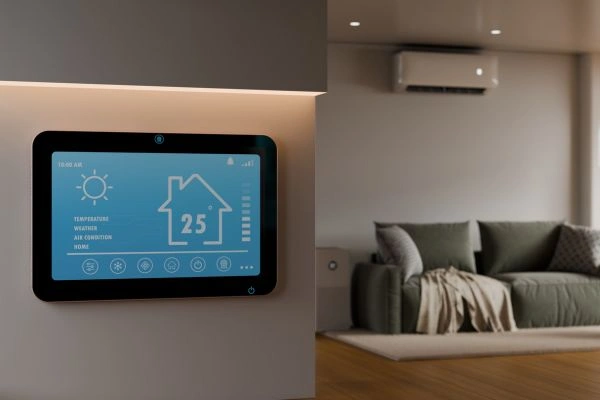
Smart home gadgets have been around for a while, but the newest wave of sensors goes beyond simple alerts and automation. These devices use better motion detection, environmental awareness, and machine learning to understand how your home works.
What These Sensors Do
Modern smart home sensors connect with your lighting, heating, and security systems. Instead of just telling you when something happens, they start to notice routines. For example:
- Lights that adjust based on your movement patterns
- Thermostats that learn when you sleep or wake up
- Alerts for unusual temperature changes that could mean a frozen pipe
These sensors talk to smart speakers and hubs so that the whole house can react together. The result is a home that feels a little more aware and responsive.
Why It Matters
Traditional smart sensors were helpful but often required lots of setup and tuning. The new generation feels more intuitive. By learning from your habits, these systems reduce the need to adjust settings yourself constantly. They make smart homes feel less like gadgets and more like a natural part of daily life.
How They Compare With Older Tech
Old sensors acted like switches. They detected a trigger and performed a set action. New sensors can trigger multiple responses based on context. They can connect to routines, schedules, and even weather forecasts to adjust automatically.
2. Wearable Air Quality Monitors
Air quality has always been a public health topic, but personal air quality monitors are breaking into the mainstream. These compact wearables track pollution, pollen, humidity, and other factors that can impact breathing.
What Wearable Air Quality Monitors Do
Instead of relying on city-wide reporting stations, wearable monitors measure the air around you in real time. They detect:
- Particulate matter like dust and smoke
- Volatile organic compounds from paints and cleaners
- Humidity and temperature that affect comfort
Some devices connect to your phone to alert you when the air quality drops or when you are near potential irritants.
Why These Matter
People with allergies, asthma, or sensitivity to pollution find this tech especially useful. Even those without health conditions may notice improved comfort when they can see how air quality changes throughout the day.
Wearable air quality devices also highlight how environmental conditions shift with location. A park may have great air quality, while a busy street corner may show higher pollution. That knowledge helps with planning walks, commutes, or outdoor workouts.
How They Compare With Traditional Methods
Standard air quality reporting is based on data from central stations. That gives a general sense of conditions, but not the real picture of where you actually are. Wearable monitors personalize this information, making it more relevant to your immediate environment.
3. Smart Water Monitors For Every Home
Water is essential, but leaks, poor quality, and unseen waste can cause frustration and damage. Smart water monitors attach to pipes or water lines and track usage and quality in real time.
What Smart Water Monitors Do
These devices can:
- Detect leaks early
- Alert you when water quality changes
- Track water usage trends
- Help reduce waste
They send alerts to your phone and can be integrated with smart home systems.
Why This Technology Is Helpful
Water damage is one of the priciest home repairs. Detecting small leaks before they become big problems can save money and stress. Monitoring water quality also helps families ensure safe drinking water, especially in areas with older infrastructure.
How They Compare With Older Solutions
Older leak detectors usually sounded a loud alarm when they detected water in the wrong place. New monitors are proactive. They warn you before damage happens and provide detailed information about where the issue started.
4. Flexible Display Gadgets
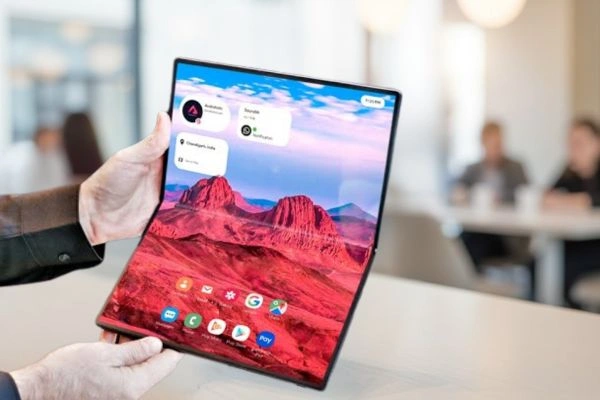
Flexible displays have been teased in phones and wearable prototypes for years. Now, more practical devices with bendable screens are hitting the market. These include tablets that fold to two sizes, notepads that roll up, and screens that can wrap around objects.
What Flexible Displays Bring
Flexible tech lets designers rethink the shape and function of screens. Instead of rigid rectangles, new devices can adapt to different tasks:
- Tablets that fold into phones
- Monitors that curve to your view
- Portable displays that pack into smaller bags
These displays may not be mainstream yet, but they show how screens can become more adaptable and personal.
Why They Matter
Flexible screens make devices more versatile. For example, a tablet that folds to phone size can stay with you on the go and expand into a larger screen for work or entertainment. They also open the door to new form factors that were never possible before.
How They Compare With Traditional Screens
Traditional screens are fixed in size and shape. Flexible displays add adaptability without sacrificing image quality. As technology improves, issues like durability and cost are continuing to get better.
5. Personal Health Dashboards
Fitness trackers started the personal health tech revolution. The latest devices go beyond steps and heart rate to offer comprehensive health dashboards. These gadgets combine data from wearables, smart scales, sleep monitors, and even connected home equipment to give a broader picture of your well-being.
What Personal Health Dashboards Do
They gather data like:
- Daily movement and exercise
- Sleep patterns
- Body metrics like weight and composition
- Stress indicators from heart rate variability
- Hydration and activity balance
All of this information appears in one place, often with easy-to-understand charts and suggestions.
Why This Tech Is Useful
Many health and fitness devices work in isolation. Personal health dashboards bring everything together so that users can see trends and context. Instead of separate apps for steps, sleep, and workouts, one dashboard gives a clearer picture of how habits impact overall health.
How They Compare With Simple Wearables
Basic wearables track a handful of metrics. Health dashboards build on those numbers and combine them with other information to show patterns over time. They look less at individual points and more at lifestyle trends.
6. Smart Clothing That Tracks More Than Steps
Wearable tech is not limited to smartwatches. The newest wave includes smart clothing that senses movement, posture, and activity. These fabrics embed sensors directly into shirts, shorts, or socks.
What Smart Clothing Does
This gear can detect:
- Running form
- Muscle engagement
- Posture throughout the day
- Balance and stride patterns
Some items sync with fitness apps to give live feedback or post-activity summaries.
Why It Matters
For casual fitness enthusiasts and serious athletes alike, knowing how the body moves provides insights that simple activity trackers miss. Smart clothing can help prevent injury, improve performance, and give feedback without requiring a separate device in your pocket or on your wrist.
How It Compares With Traditional Wearables
Most wearables sit on the wrist or clip to clothing. Smart clothing places sensors throughout garments, offering a more complete picture of body movement. That can be especially useful for runners, weight lifters, and people recovering from injury.
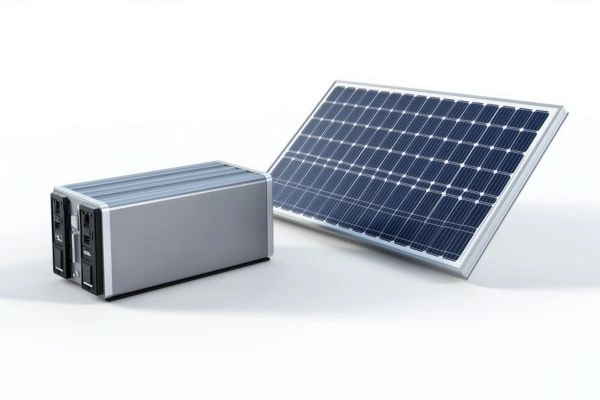
7. Portable Solar Chargers with Storage
Portable solar chargers are not brand new, but the latest versions include built-in power storage and intelligent charging. These devices are practical for road trips, outdoor work, or anywhere you want power without plugging into the wall.
What Portable Solar Chargers Do
They combine:
- Foldable or rigid solar panels
- Internal battery banks
- Smart ports that adjust to the right charging speed
Some models can even power laptops and small appliances.
Why This Tech Is Handy
Outdoor enthusiasts, travelers, and people living in areas with inconsistent power find these chargers especially useful. They provide a reliable way to keep devices running without relying on outlets, generators, or car adapters.
How They Compare With Older Models
Earlier solar panels needed constant sunlight and were limited in what they could power. The newest versions store energy and manage output more intelligently. This makes them practical rather than experimental.
8. Rechargeable Smart Batteries
Disposable batteries are still common, but smart, rechargeable battery packs are becoming more popular for everyday gadgets. These batteries connect to apps and show charge levels, health status, and usage patterns.
What Smart Rechargeable Batteries Do
They offer:
- Real-time charge level monitoring
- Alerts when the voltage drops
- Health estimates over time
- Compatibility with dozens of small devices
They replace A, AA, and other traditional sizes, but with digital intelligence built in.
Why This Is Useful
Smart batteries help reduce waste and give you more information about when and how to recharge. This prevents situations where devices die unexpectedly, which is common with older disposable batteries.
How They Stack Up Against Disposable Batteries
Traditional batteries are cheap but throwaway. Smart rechargeable batteries cost more upfront but save money and waste over time while giving better insight into power levels.
9. Portable Projectors That Connect Instantly
Mini projectors used to be gimmicks with blurry images. The latest models are bright, sharp, and simple to use. They connect to phones and laptops with a tap and produce a clear picture on walls, tents, or screens.
What Modern Portable Projectors Offer
Features include:
- Compact size and light weight
- Bright, vibrant displays
- Built-in speakers
- Wireless casting from phones
Some can even run apps without a connected device.
Why They Matter
These projectors turn any space into a mini cinema or shared screen. For movie nights, outdoor gatherings, or portable presentations, they are more flexible than TVs and more social than small phone screens.
How They Compare With TVs
Traditional TVs are fixed in place and larger. Portable projectors go where you go and can scale the screen size. While TVs still offer the best picture quality, projectors win for flexibility.
How This Tech Compares Overall
Everyday Convenience vs Cutting Edge
Some of this tech feels futuristic, while others immediately improve daily life. For example, smart batteries and air quality monitors feel practical today. Flexible displays and wearable posture shirts feel more like tomorrow’s normal.
Full System Integration vs Standalone Gadgets
Smart home sensors and health dashboards work best when they connect with existing systems. Portable projectors and solar chargers shine on their own.
Cost vs Value
Some innovations are pricey at launch but drop rapidly. Wearable air quality sensors and smart clothing may seem expensive at first, but they prove useful quickly. Solar chargers and projectors offer value in both travel and emergency use.
Frequently Asked Questions
Do I Really Need This New Tech?
Not everything will be essential for everyone. The best way to think about new tech is whether it solves a problem you already have or makes something you do often easier or more enjoyable.
Is It Worth Upgrading From Older Gadgets?
If your current device works fine, upgrading may not be urgent. But many new products are designed to work smarter and save time or effort, which makes them worth considering.
Will These Gadgets Be Compatible With My Devices?
Most modern tech uses common standards like Bluetooth, Wi-Fi, and USB-C. Always check compatibility before buying, especially for smart home and wearable tech.
Are These Products Future-Proof?
Tech evolves quickly, but many products are built with software updates and cloud support in mind. Devices with strong ecosystems and regular updates will stay useful longer.
Simple Innovations That Make A Real Difference
The latest tech brings practical improvements, clever solutions, and sometimes surprising conveniences. Some of these products will become mainstream staples. Others will remain niche but powerful tools for those who need them. The common thread is that these innovations make everyday life easier, more enjoyable, or simply more interesting. Whether you are looking to upgrade your home, enhance your health tracking, or find new ways to play and explore, there is something here that you might not have known you needed until now.