Smart speakers have become staples in many homes, but most people only use them for basic tasks like playing music or checking the weather. Modern smart speakers offer much more than casual voice commands and playlists. They contain hidden functions, advanced tools, and helpful settings that can improve daily life in ways many users overlook. By exploring lesser‑known capabilities, owners can unlock powerful features that make smart speakers even more useful and enjoyable.
This article highlights surprising smart speaker features you might not know existed, why they matter, and how they work in real life. From automation and safety tools to entertainment, accessibility improvements, and privacy options, these features show how much a smart speaker can do when you know what to explore.
What Makes Smart Speakers Valuable
A smart speaker is a voice‑activated device that responds to spoken commands and connects to the internet. These devices rely on built‑in assistants such as Amazon Alexa, Google Assistant, and Apple Siri to process tasks and answer questions. While playing music and setting timers are common uses, voice assistants have grown more capable and are increasingly integrated into homes for tasks that go beyond simple voice triggers.
Smart speakers have evolved to become central hubs for smart home control, personal organization, and even wellness support. They link easily with lights, thermostats, locks, and other internet‑connected devices, pushing these systems beyond entertainment into core household roles.
Hidden Automation Tools You Can Use
One of the most overlooked capabilities of smart speakers is automation based on routines and triggers. These tools allow users to group several actions into one voice command or automate tasks based on specific conditions.
1. Voice Routines for Daily Tasks
Smart speakers allow users to create custom routines that perform multiple tasks at once. For example, a single voice prompt like “Good morning” can trigger weather updates, calendar reminders, lights turning on, and news briefings all at once. These routines save time and reduce the need to interact with multiple apps or devices for simple everyday activities.
2. Silent Interaction With Tap to Alexa
Certain models, such as the Amazon Echo Show, include features like “Tap to Alexa.” This lets users tap on the screen icons to perform commands instead of speaking, which is useful when silence is preferred or for users with speech or hearing challenges. This adds a new way to interact with the assistant beyond voice commands.
3. Location‑Based Smart Actions
Some ecosystems allow smart speakers to use phone location data to trigger actions as users arrive or leave home. For example, lights may turn off, locks can secure doors, or reminders can alert users about tasks when they return. This feature works automatically, helping ensure routines are followed without extra effort.
Smart Speaker Features for Home Safety and Health
Beyond entertainment and automation, smart speakers can support wellness and safety in meaningful ways that many people overlook.
4. Sound Recognition for Alerts
Smart assistants can listen for specific household sounds such as smoke alarms, glass breaking, or even baby crying. When these sounds are detected, smart speaker systems can send alerts or trigger other devices like lights or connected cameras, adding an extra layer of awareness in the home environment.
5. Personalized Health Reminders
Smart speakers can help track daily routines, such as medication reminders, hydration alerts, or scheduled exercise prompts. These tools help users stay on top of personal care without needing to constantly check phones or calendars, making adherence to wellness tasks easier and more seamless.
6. Unexpected First Aid Support
Smart speakers offer hands‑free access to emergency guidance by providing step‑by‑step instructions on first aid tasks. For instance, asking how to perform CPR or treat a burn can produce instant spoken advice from trusted sources, which can be crucial when hands are full or during an emergency.
Entertainment and Daily Fun Features
Smart speakers are not just practical tools; they also include entertainment and engagement capabilities that go far beyond music playback.
7. Multi‑Room Audio and Audio Profiles
If a home has multiple smart speakers, they can be grouped to play synchronized audio throughout different rooms. This enhances the experience during parties or home activities without needing to manually control each device. Some systems also recognize different users by voice and adapt audio preferences, playlists, or content recommendations based on who is speaking.
8. Interactive Games and Language Learning
Smart assistants offer games, quizzes, and interactive learning modules. These range from vocabulary building and quiz shows to language translation practice. Users can learn new phrases or vocabulary through playful voice‑activated interactions that turn short breaks into productive learning sessions.
9. Personalized Content Suggestions
Voice assistants are increasingly learning from usage patterns to offer tailored suggestions. This may mean recommending music based on time of day, mood, or user history, discovering new songs or podcasts more intuitively and relevant.
Accessibility Enhancements You Might Miss
Smart speakers offer valuable accessibility options that make technology more inclusive and helpful for users with specific needs.
10. Voice‑First Control for Independence
By using only voice commands to control technology, people with limited mobility can manage household devices like lights, thermostats, and locks without requiring manual interaction. This increases independence and convenience for users with physical challenges.
11. Adjusted Speech and Response Settings
Smart assistants allow for adjustments in speech volume, speed, and tone to better suit users with hearing sensitivities or language preferences. These settings help tailor interactions so that the device responses feel more natural and accessible.
12. Reading Services for Visual Impairments
Smart speakers can read books, articles, and notifications aloud. This feature opens access to written content for users with visual impairments, allowing them to enjoy literature, news, and updates without using screens or external tools.
Smart Home Integration You Probably Didn’t Expect
Smart speakers excel as control centers for connected homes, handling everything from lighting to security with simple voice commands.
13. Voice Control for Lighting and Climate
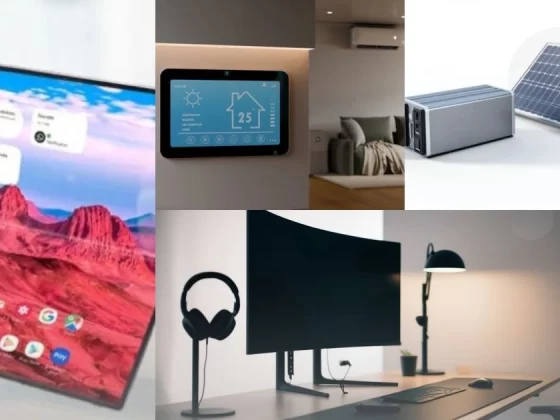
By linking lights and thermostats to smart speakers, users can dim lights or adjust temperatures with simple phrases. Making these changes without physical switches adds both comfort and energy savings to daily routines.
14. Locks and Security System Access
Smart locks and security systems can integrate with smart speakers so users can check lock status or arm security modes with their voice. This creates hands‑free control of home safety systems and adds convenience, especially when entering or exiting the home with hands full.
15. New Integrations Outside the Home
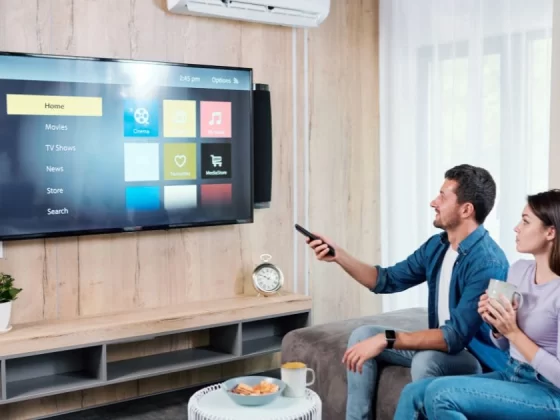
Voice assistants are spreading beyond standalone speakers. New integrations now bring voice control to smart TVs, cars, and appliances. For example, Amazon’s Alexa+ is expanding into Samsung TVs and BMW vehicles, making voice assistants part of entertainment and navigation systems, not just home systems.
Advanced Features Hidden in Settings
Even frequent users may not be aware of deeper smart speaker features hidden in menus or settings.
16. Voice Memos and Reminders Sync
Users can record voice‑activated memos that sync with calendars and reminder systems. These spoken reminders can notify linked devices at set times, making planning and organization faster and more natural than typing tasks into a phone or computer.
17. Local Voice Recognition and Personalization
Advanced voice systems can identify who is speaking and adjust responses, content suggestions, or reminders accordingly. This enables tailored interactions for each household member rather than a one‑size‑fits‑all experience.
18. Built‑In Translation and Language Tools
Many smart assistants can translate words or phrases in real time. Users can practice pronunciation, learn new languages, or translate conversations hands‑free, turning the speaker into a learning tool for travel or study.
Privacy and Security Controls You Should Use
Smart speakers continuously listen for wake words, which raises privacy concerns for some users. Recent updates and settings help owners control what data the device records, stores, and shares.
19. Mute and Privacy Indicators
Most smart speakers include a physical mute button that turns off listening until reactivated. Visual indicators often show when the device is actively listening or processing commands, giving users more confidence in privacy.
20. Clear and Delete Voice History
Users can erase stored voice recordings with simple commands or app settings. This ensures that personal interactions remain under control and reduces concerns over data retention or long‑term storage.
21. Guest Accounts and Limited Access
Some smart platforms allow guest profiles or restricted access modes. This prevents visitors from accessing sensitive functions while still letting basic features like music or information queries be used. This keeps personal data safe while offering flexibility.
Choosing the Right Smart Speaker for You
With so many devices available, choosing the best smart speaker comes down to your needs and priorities.
According to recent reviews, top performers balance sound quality, smart features, and ecosystem integration. Devices like the Sonos Voice Speaker offer premium audio with broad voice assistant support, while others like the Bose Smart Speaker 600 combine quality sound with reliable voice control. Budget‑friendly options such as the Xiaomi Smart Speaker X7 provide solid everyday performance for basic use.
Major brands such as Amazon, Google, and Apple continue to add new capabilities, with some systems focusing on smart home integration and others optimizing context‑aware responses and personalization. Reviewing feature lists and user feedback helps find a device that matches your lifestyle and needs.
Unlock the Full Potential of Your Smart Speaker
Smart speakers started as simple devices for music and quick voice questions. They have since grown into powerful tools that manage routines, support accessibility, enhance safety, and entertain in unexpected ways. Exploring these hidden features unlocks the full potential of smart speakers and builds a smarter, more connected home environment. Whether your focus is convenience, comfort, security, or fun, these devices offer more than most users realize.
Understanding how smart speakers work and using their lesser‑known features can transform how you interact with technology in daily life. From hands‑free home control to personalized routines and advanced integrations, discovering what your device can really do makes it a far more valuable and engaging companion in your home.